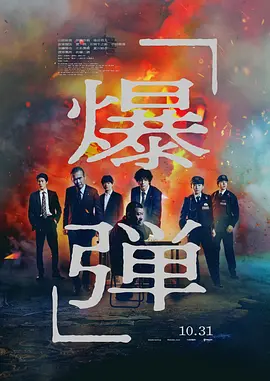
该片讲述了刑警队队长董国强和方言等不畏艰辛、排除重重阻碍,终于破获了诡异的“坟地藏尸案”,新入警的刑警方言也在案件的侦破中得到了成长,完成了以父亲方志勇为代表的老一辈刑警夙愿的故事。
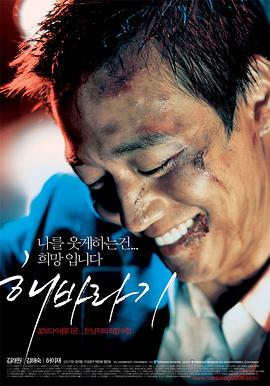
泰植(金来沅 饰)自高校退学,变成为了黑社会的小头目。每次喝完酒打起架来的毫不保留,激烈时甚至越战越勇,于是大家都给他取了一个叫“疯狗”的绰号。 但泰植后来还是锒铛入狱了,被假释出来的他仿佛变了另一个人似的。对仇人也熟视无睹的态度令众人十分疑惑。他终日拿着一本手册,原来里面记录了他生活中要做的平常事。这是他在监狱里便记录的手册,他要对自己约法三章,要令自己变好。 手册是德子给他的,他特意找到了这位老人。德子对待泰植犹如自己的亲生儿。但德子的女儿熙洙却总对泰植恶言相向,实际上她并不讨厌泰植。他们三个人正要开始他们的新生活,但谁都不相信,泰植愿意改过自身。
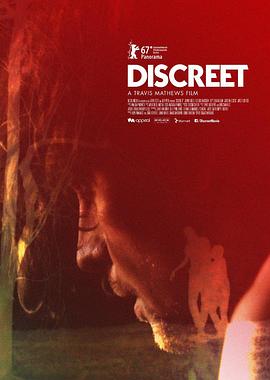
离经叛道的流浪男子亚历克斯(乔尼·马尔斯 Jonny Mars 饰)返回家乡,得知童年虐待过他的男人还活着,内心的恶魔再也不受控制,他暗下决心展开复仇。
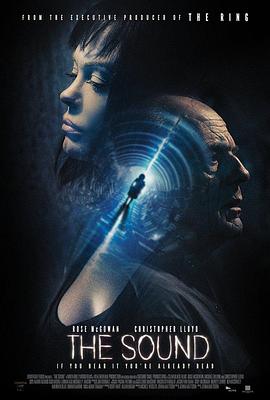
A writer who studies the paranormal believes that low frequency tactile sound is the cause for reported ghost sightings in an abandoned subway station. In an attempt to debunk the sightings, she breaks into the station to record evidence.
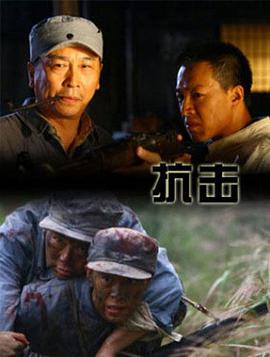
故事发生的背景是抗日战争时期的山东省某偏远山村,邱云鹤饰演的主人公栓子家中世代以打猎为生,战火蔓延到这个偏远的小山村,为了国仇家恨,他和他的小叔铜锁(邹笨笨饰)投入了这场保家卫国的战争。
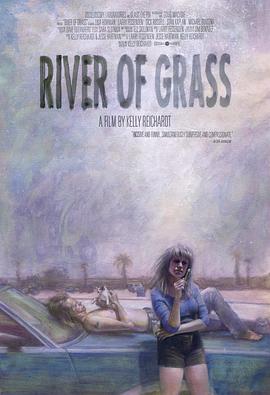
River of Grass has all the elements of a conventional road movie: a car, a gun, criminal plans, and young lovers on the run from an angry father who also happens to be a suspended police officer. But writer and director Kelly Reichardt has instead taken these familiar elements and fashioned an anti-road movie, a deadpan film that is more existentialist comedy than crime drama. The young lovers in question are Cozy, the cop's daughter, and Lee Ray, a shady character from the wrong end of town. Lee Ray comes into possession of a pistol, and soon he and Cozy find themselves unintentionally involved in a shooting. Fearing capture by the law, the two make plans to leave town, committing a series of robberies on the way. However, they don't manage to get very far indeed, the film's central premise is how the romantic myth of lovers on the lam proves disappointing in the face of a far more pedestrian reality. This well-received, low-budget indie was shot on location in South Florida, placing its story against an appropriately depressed landscape of sun-bleached strip malls, barren highways and overgrown, swampy fields the title is another name for the Florida Everglades.
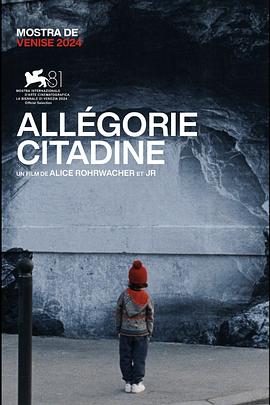
Synopsis In the Allegory of the Cave, Plato ponders: what would happen if one of the prisoners managed to free themselves from their chains and escape from the cave? What if that prisoner were Jay, a little 7-year-old boy? Director’s statement What lies behind the daily movement of a city? Last winter, we met in Paris and began discussing the Allegory of the Cave, as told in Plato’s Republic. The myth imagines humanity living in chains, facing the back of a cave, and watching shadows move on the walls, thinking it is reality. We both work with images, which certainly can be illusions, but can also become instruments of struggle and liberation of thought. So, from this discussion, we decided to create a short film. We had a few fixed ideas—the cave, the dance, the city bustling around us—and one question: what would happen if we all managed to turn together towards the exit of the cave? Perhaps it is not enough to assert that images are illusions as long as the chains that bind us are real.